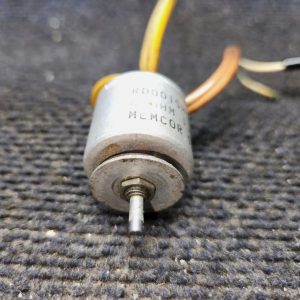
P/N RD0015H1600JBC offers replacement potential for qualified technicians addressing worn, intermittent, damaged, corroded, or missing instrument-panel lighting controls in a compatible aircraft.
Whether buyers search for a Cessna 172F Rheostat, Cessna 172F Lighting Rheostat, or Cessna 172F Panel Light Rheostat, electrical compatibility and individual condition should guide the purchase.
The Cessna 172F Cockpit Dimmer, Cessna 172F Instrument Light Control, Cessna Instrument Panel Rheostat, and Cessna Cockpit Lighting Control phrases represent closely related electrical searches.
Whether buyers need an Aircraft Lighting Rheostat, Aircraft Panel Light Dimmer, Aviation Lighting Control Rheostat, or Aircraft Instrument Lighting Control, professional evaluation should precede use.
Cessna 172F Electrical Parts, a Cessna 172F Dimmer Switch, Cessna Panel Lighting Control components, and here a Cessna Aircraft Rheostat may be sourced together during a complete cockpit electrical project.
Identifying the Cessna 172F Rheostat
A component should not be accepted as RD0015H1600JBC solely because it resembles the original panel-light control.
Strong traceability improves the commercial and restoration value of the Cessna Aircraft Rheostat.
Understanding the No-Knob Configuration
Accurate knob information helps prevent incomplete installations and loose cockpit controls.
Improvised drilling, adhesive bonding, force-fitting, or overtightening can damage the shaft and reduce future repair options.
Cessna Cockpit Light Adjustment
A rheostat regulates current or voltage within a compatible lighting circuit to vary the brightness of connected lamps or panel illumination components.
An intermittent control may cause flickering, dead spots, sudden brightness changes, heat, or inconsistent illumination.
Aircraft Serial and Wiring Applicability
Production changes, previous panel modifications, lighting upgrades, replacement wiring, and modern avionics installations can affect the required control.
The installer should verify whether the circuit uses two terminals, three terminals, an integral switch, or another control arrangement.
Checking Mounting Threads and Control Movement
The shaft should rotate smoothly through its intended travel without excessive looseness, binding, roughness, or unexpected movement.
A bent shaft can cause binding, uneven control, knob misalignment, or additional load on the internal mechanism.
Inspecting Rheostat Terminals and Wiring
Heat discoloration can indicate excessive resistance, overloading, loose connections, or another unresolved circuit problem.
Wiring should be routed away from sharp edges, moving controls, heat sources, and locations where vibration can cause chafing.
Evaluating Dimming Control Operation
A low-current meter test can reveal basic electrical behavior but may not establish performance under the installed lighting load.
The component should not be connected directly to a power source until terminal functions and specifications are known.
Avoiding Unnecessary Rheostat Replacement
Common symptoms can include flickering, dead spots, limited adjustment, sudden brightness changes, complete lighting loss, excessive heat, or inconsistent operation.
Technicians should compare circuit behavior at different control positions while monitoring wiring, terminals, lamps, grounds, and protection devices.
Vintage Cessna Electrical Component Replacement
Historical appearance should not take priority over electrical compatibility, condition, or safe installation practices.
A refurbished panel should avoid hidden wiring modifications, unsupported loads, or mismatched electrical parts.
Cessna 172F Electrical Parts for a Complete Repair
Organized inventory management supports a more efficient Cessna 172F electrical project.
Clear component control reduces accidental installation of unverified cockpit parts.
Repairing or Replacing a Cessna Rheostat
A documented repair approach supports a more consistent result.
Any repair organization, work performed, replacement materials, and results should be documented.
Evaluating a Used Aircraft Lighting Control
Untested or incomplete rheostats may still have restoration, repair-candidate, pattern, training, or reference value when described honestly.
Unsupported direct-fit, guaranteed dimming, universal compatibility, or airworthiness claims should be avoided.
Aircraft Lighting Rheostat Pre-Purchase Guide
Any uncertainty regarding specifications, circuit function, knob compatibility, or aircraft fitment should be resolved before shipment.
- Confirm the complete part number, manufacturer, donor-aircraft model, donor serial information, intended lighting circuit, voltage, resistance, power rating, and available traceability.
- Do not treat smooth rotation, clean appearance, or donor-aircraft history as proof of electrical serviceability.
- Require packaging that protects the shaft, mounting threads, terminals, identification markings, attached wiring, and housing from bending, impact, moisture, or abrasion.
Protecting Cessna Electrical Parts in Transit
Loose nuts, washers, terminals, or wiring pieces should be packaged and labeled separately.
Responsible storage preserves the future usefulness and commercial value of Cessna 172F Electrical Parts.
Wiring a Cessna Cockpit Dimmer
Installation should be completed by appropriately qualified aviation maintenance personnel using applicable aircraft electrical information and suitable procedures.
The knob should attach securely without restricting the rheostat’s full control range.
The aircraft should not return to service until the installation has been evaluated and documented appropriately.
Maintaining the Cessna 172F Lighting Control
Long-term maintenance includes checking control movement, knob security, mounting tightness, terminals, wiring, heat discoloration, corrosion, lighting response, and panel condition.
The control knob should not be pulled, twisted beyond its stops, or used as a support for other equipment.
Final Thoughts on the Cessna Panel Light Rheostat
P/N RD0015H1600JBC can become a valuable cockpit electrical component.
Aviation maintenance personnel should evaluate the rheostat before repair, testing, wiring, installation, or operational release.
Whether the part is purchased for scheduled maintenance, panel restoration, troubleshooting, vintage-aircraft preservation, replacement, or spare inventory, transparent information and professional oversight provide the strongest foundation.
P/N RD0015H1600JBC can deliver a professional combination of panel-lighting control, restoration relevance, electrical replacement value, and classic Cessna application potential.